

An pristine carpet can alter a area, introducing warmth and style while also leading to a more hygienic indoor environment. Yet, the challenge lies in preserving various types of carpets attractive without resulting in any harm. With various materials and textures, each carpet demands a custom method to maintaining that honors its distinct properties.
In this manual, we will examine effective rug maintenance tips to renew your area without threatening the integrity of your surfaces. If you have a luxurious sheep's wool carpet or a synthetic blend, recognizing the specific needs of your carpet can enable you maintain its appearance and prolong its lifespan. Let’s dive into the most effective techniques for cleaning diverse carpet types effectively and efficiently.
Grasping Rug Categories
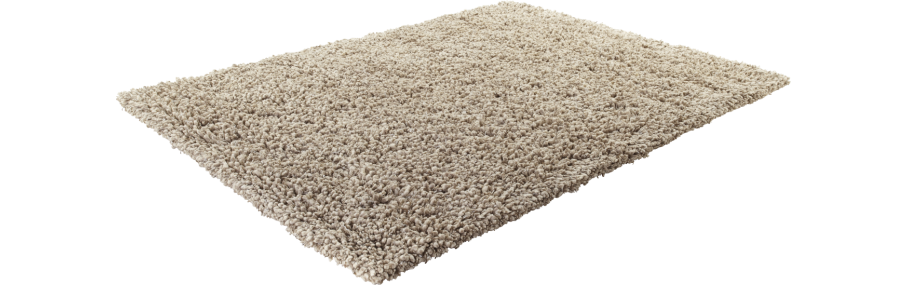
When it comes to rug maintenance, comprehending the various kinds of rugs is crucial for efficient maintenance. Rugs can be generally classified into a couple of categories: organic fibers and man-made materials. Natural fiber rugs, such as wool, cotton, and silk, offer a luxurious feel but demand soft cleaning techniques to avoid harm. Synthetic materials like nylon, polyethylene terephthalate, and polypropylene are more durable and resistant to stains, making them simpler to maintain but still needing specific attention to maintain their look.
Diverse carpet fibers respond uniquely to cleaning methods and solutions. For example, wool rugs are sensitive to water and harsh chemicals, so using a mild detergent and avoiding excessive water is essential. Conversely, nylon rugs can tolerate more potent care agents, but they may become ruined if subjected to high temperatures during care. Understanding these characteristics helps in choosing the right cleaning method for every kind of rug.
Furthermore, the construction of the rug plays a significant role in how it should be cleaned. Looped pile carpets, commonly found in business environments, are more resilient to usage and can be maintained with more forceful techniques. Cut pile, popular in home settings, may require gentler care to maintain their feel and form. Identifying these distinctions allows efficient rug maintenance and ensures durability, keeping your rugs appearing fresh and vibrant.
Vital Rug Maintenance Equipment
Regarding cleaning carpets efficiently, having the right tools can significantly improve results. A reliable vacuum cleaner is essential for routine maintenance. Opt for a unit with variable suction and a beater bar, as these features help to remove dirt and debris embedded in the fibers. Make sure to choose a vacuum that is suitable for your particular carpet type, whether it is plush, fluffy, or flat.
For deeper cleaning, you will need some particular tools. A carpet brush or a power scrubber can help to dislodge dirt that a vacuum might miss. Additionally, a steam cleaner is a great investment for anyone looking to perform a extensive cleaning without using harsh chemicals. These machines use hot water and steam to soak into the carpet fibers, lifting stains and sanitizing the surface.
Don't forget about spot cleaners and spot removers, which are important for tackling unintentional spills. A reputable spot cleaner should be suitable on different types of stains while still being gentle enough not to harm your carpet. Always check the label to ensure compatibility with your type of carpet before using any cleaning solution.
Comprehensive Maintenance Techniques
In terms of maintaining floor coverings, knowing the exact type of carpet you have is important for proper care. For synthetic carpets, start by vacuuming thoroughly to remove loose dirt and debris. Next, make carpet cleaner near me by combining a few drops of dish soap with warm water. Utilize a soft cloth or a sponge to put the solution to any dirty areas, ensuring not to saturate the carpet. Rinse with a clean damp cloth to remove any soap residue, as this can attract dirt if left behind.
For natural fiber carpets, such as wool, it's crucial to avoid excessive moisture. Start by vacuuming the area well. Rather than a water-based solution, mix equal parts white vinegar and water in a spray bottle. Lightly mist the stained area and gently blot with a white cloth. This will help lift stains without damaging the fibers. Be sure to let the carpet to dry completely and avoid walking on the newly cleaned area until it is dry.
If you have a more fragile carpet, like shag or silk, your best choice is to consult a professional cleaner. But, if you're taking on the task yourself, begin by using a vacuum gently with a brush attachment to prevent pulling. For light cleaning, lightly dampen a cloth with a mixture of water and mild detergent and dab the stained area. Blot rather than scrubbing, as scrubbing can damage the fibers. Be sure to test on an inconspicuous area first to make sure there's no negative reaction.
Frequent Carpet Maintenance Errors
A frequent mistake people commit when cleaning carpets is applying the wrong cleaning solution. Different materials require certain types of cleaning solutions. To illustrate, applying a strong powerful cleaner on a wool rug can result in color fading or harm. Make sure to consult the manufacturer's guidelines for your rug style and choose a cleaning product that is appropriate for its fibers.
One more frequent mistake is over-wetting the carpet. Excess water can penetrate into the backing and result in mold growth, especially in carpets that are not designed to withstand high moisture levels. It is crucial to apply just the right amount of liquid or maintenance product to treat the top and confirm proper extraction. Blotting instead of rubbing can additionally help prevent excess moisture while removing soil.
In conclusion, neglecting to hoover before maintenance is a typical oversight. Omitting this process means that dirt and debris can get embedded deeper into the material when moisture is added. This can result in a less effective cleaning job and potentially cause spots setting in. Always remember to clean thoroughly to lift loose soil and debris before applying any maintenance products.
### How to Keep Your Carpets Fresh and Clean
Maintaining the freshness and cleanliness of your carpets requires regular upkeep. It's important to vacuum regularly since it gets rid of dirt and debris that can gather over time. Set a goal to vacuum at least weekly and increase frequency in high-traffic zones. This straightforward step aids in preserving the carpet's look while also extending its life by stopping fibers from getting damaged or flattened.
Besides vacuuming, think about deep cleaning periodically according to the carpet type. If your carpet is made of synthetic fibers, having it steam cleaned every 12 to 18 months can thoroughly eliminate deeper dirt and allergens. Carpets made of natural fibers might need gentler approaches, like dry cleaning or using a mild shampoo, to prevent harm. Always test cleaning solutions in an inconspicuous area first to ensure they do not affect the color or texture of the carpet.
Finally, tackle any spills and stains quickly to avert permanent damage. Immediately dab spills with a clean, dry cloth, moving from the outer edges inward to prevent spreading. Depending on the stain type, you might need certain cleaning solutions and techniques, so investigate the best practices for your carpet type. Regularly implementing these tips will ensure your carpets remain vibrant and new for years ahead.